Summary
Author A (2022) found that structured feedback improved clarity. Author B (2021) found that writers struggled to group studies. Author C (2020) found that research gaps were often stated without comparing the studies.
Literature Review Support
A literature review has to do more than summarise studies one by one. Human feedback can help you organise sources into themes, compare them critically, strengthen the synthesis, and show how the research gap connects to your own study. The interpretation stays yours.

Specialist feedback on the literature review you are drafting, grouped around the work a review actually has to do.
Thematic organization, paragraph flow, and a path from sources to the research question.
 Learn more
about structure and organization
Where studies agree, where they conflict, and which claims still need support from the sources.
 Learn more
about critical analysis
Moving from a list of summaries to themes, patterns, a research gap and a link to your study.
 Learn more
about synthesis and integration
Academic tone, consistent terminology, source integration and citation consistency.
 Learn more
about referencing and academic style
Describe the literature review and what you want strengthened. The Free Assessment page shows whether online submission is available.
Get HelpWhy choose ClarityScholar
Reviewers look at structure, synthesis and presentation in a literature review you have written, and they give practical feedback you can apply yourself.
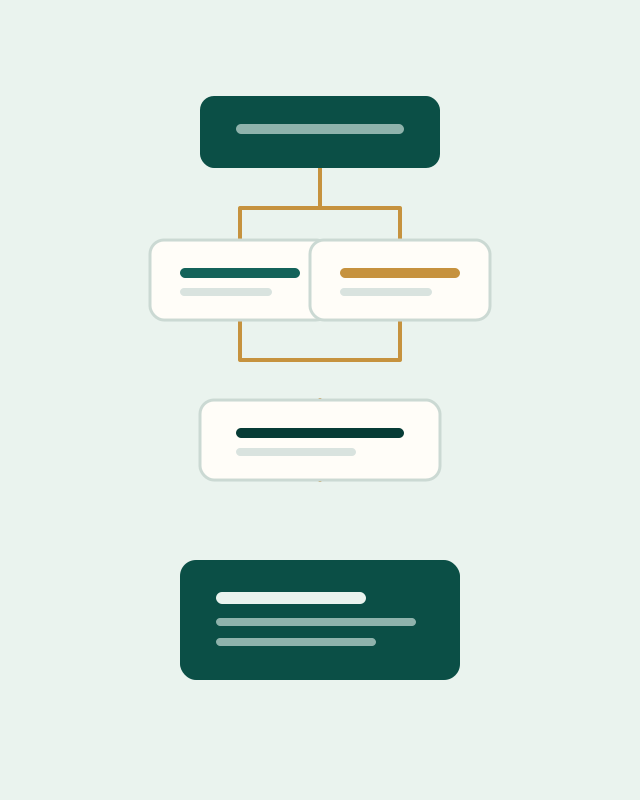
A literature review moves through these stages. Support looks at whether your draft makes that movement clear. It does not write the review for you.
These are the problems a review is built to find. They are about the draft you already have.
Illustrative example. The sentences below were written for this page. Author A, Author B and Author C are not real papers.
Author A (2022) found that structured feedback improved clarity. Author B (2021) found that writers struggled to group studies. Author C (2020) found that research gaps were often stated without comparing the studies.
Across these studies, two patterns emerge. Work that looks at one paper at a time reports clearer local edits. In contrast, work that asks writers to group studies reports a different problem: the gap is named before the studies have been compared. That disagreement suggests the gap needs a theme, not a single source.
Illustrative example. These sentences were written for this page. They are not a client document, and Author A, Author B and Author C are not real papers.
Author A (2022) studied feedback and found it helped. Author B (2021) studied literature reviews and found them descriptive. Author C (2020) studied research gaps and found they were vague.
Each sentence summarises one source and then stops. Group them by the shared theme, say where the findings differ, and add why that difference matters for your study.
Studies of academic writing support report two related problems. Author A (2022) found that feedback improved clarity inside a single draft, whereas Author B (2021) and Author C (2020) found that reviews stayed descriptive and that gaps were named without a comparison. Read together, they suggest a review needs a theme that holds the sources.
A reviewer can say whether the gap you present is clearly supported by the comparison you have written. The reviewer does not invent a gap, a population or a study.
If the draft is a proposal or a methods chapter, Research Proposal Editing or Research Methodology Review may be the closer fit.
We review a literature review, background or scoping section you have drafted. We do not create it from scratch.
Five steps. You keep the reading, the interpretation and the final revision.
Literature-review support is designed for a review you have already written. This website does not currently receive the file.
The intended reading covers structure, synthesis, and how the review sets up the research.
Strengths, weak comparisons, and places where the gap is hard to follow.
Editorial comments, and clearer presentation where a passage needs it.
You decide what to change before you submit.
The reading and the argument stay yours. Feedback is about how clearly that work is organised and written.
How to Structure a Literature Review, How to Synthesize Sources in a Literature Review, How to Identify a Research Gap, and Research Questions vs Objectives are available. They sit in the research resources section.
It is a human review of a literature review you are writing. The focus is synthesis, themes, critical comparison, the research gap, source integration, flow and citation consistency. It is not a grammar-only proofread, and it does not write the review for you.
Yes. A reviewer can show where the draft still summarises studies one by one, and comment on how those studies could be grouped, compared and tied to your question. You decide how to revise.
No. We do not search for, invent, or fabricate sources, studies or citations. The review works with the literature you have already gathered.
Yes, when you have drafted the chapter. The same boundary applies: feedback on your review, not a chapter written for you.
Yes. A reviewer can say whether the gap you present follows from the comparison you have written. The reviewer does not invent a gap or a study for you.
Ready to get started?
Selected service Literature Review Support
Feedback on synthesis, structure and argument in a literature review.
Share how we can reach you. An agent will contact you before any order is confirmed. Online submission may be unavailable on this connection.